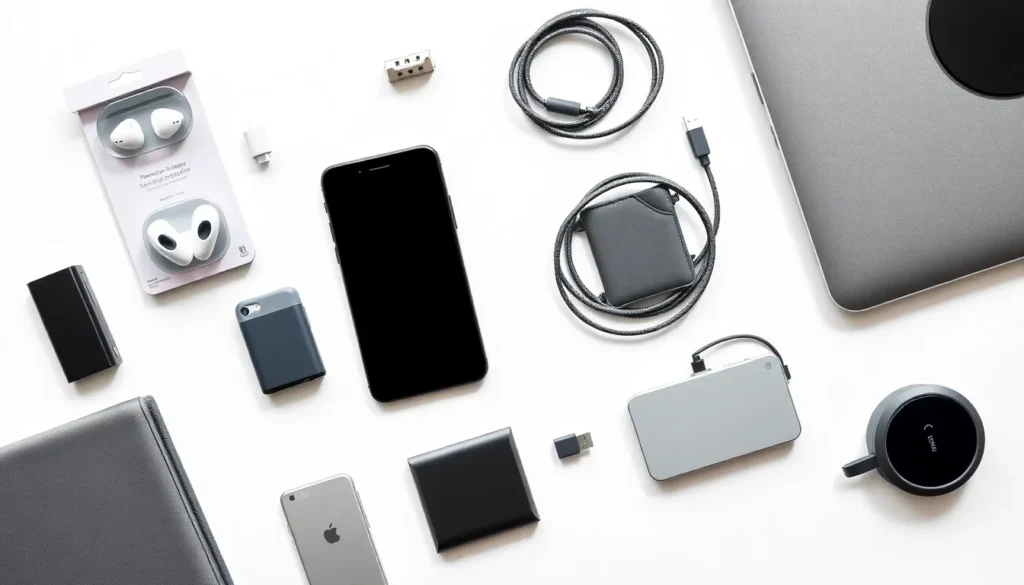


A solid tech accessories guide can save hours of research and hundreds of dollars in wasted purchases. The right accessories transform everyday devices into powerful, personalized tools. The wrong ones collect dust in a drawer.
In 2025, tech accessories have become smarter, more versatile, and occasionally overwhelming to shop for. This guide breaks down the essential categories, from smartphone add-ons to smart home gear, and helps readers identify what actually matters for their setup.
Table of Contents
ToggleKey Takeaways
- A comprehensive tech accessories guide helps you avoid wasted purchases by focusing on items that solve specific problems, like power banks for battery life or stands for ergonomic comfort.
- Protective cases, screen protectors, and portable chargers are essential smartphone accessories that protect your investment and extend daily usability.
- External monitors can boost productivity by 20-30%, while ergonomic keyboards and USB-C hubs significantly improve laptop workstation setups.
- Wireless earbuds and Bluetooth speakers have reached impressive quality levels in 2025, with budget options under $80 delivering excellent value.
- Smart home tech accessories like mesh Wi-Fi systems and smart plugs are now affordable and accessible, starting under $10 per device.
- Always check compatibility, read reviews from multiple sources, and prioritize long-term value over cheap alternatives when choosing tech accessories.
Essential Accessories for Your Smartphone
Smartphones remain the most-used devices for most people. The right tech accessories can extend battery life, improve photography, and protect a $1,000+ investment.
Protective Cases and Screen Protectors
A quality case is non-negotiable. Drop-tested cases from brands like OtterBox, Spigen, and Caseology offer protection without excessive bulk. Tempered glass screen protectors cost under $15 and can prevent $200+ screen repairs.
Portable Chargers and Power Banks
Power banks have evolved significantly. Look for options with at least 10,000mAh capacity for full phone recharges. Fast-charging support (20W or higher) cuts charging time in half. Brands like Anker and Belkin consistently deliver reliable performance.
MagSafe and Wireless Charging Accessories
MagSafe-compatible accessories have expanded beyond Apple devices. Magnetic mounts for cars, wallets, and stands now work with many Android phones too. Wireless charging pads remain convenient for nightstand setups.
Camera Enhancement Tools
Clip-on lenses, ring lights, and smartphone gimbals help content creators get professional-looking results. A basic gimbal stabilizer runs $80-150 and dramatically improves video quality.
Must-Have Laptop and Computer Accessories
Laptops and computers benefit enormously from the right tech accessories. A few key additions can improve productivity, comfort, and overall experience.
External Monitors
A second screen increases productivity by 20-30% according to multiple workplace studies. In 2025, 27-inch 4K monitors start around $250. Ultrawide options offer immersive workspaces for designers and developers.
Ergonomic Keyboards and Mice
Standard laptop keyboards cause wrist strain over time. Mechanical keyboards provide better tactile feedback and durability. Ergonomic mice reduce repetitive strain injuries. Logitech, Keychron, and Razer offer excellent options across price ranges.
USB-C Hubs and Docking Stations
Modern laptops often skimp on ports. A quality USB-C hub restores connectivity, adding HDMI, USB-A, SD card slots, and Ethernet. Docking stations provide even more options for permanent desk setups.
Laptop Stands and Cooling Pads
Elevating a laptop to eye level reduces neck strain. Stands also improve airflow and prevent overheating. Aluminum stands from brands like Twelve South and Rain Design look professional and last for years.
Audio and Sound Accessories Worth Considering
Audio tech accessories have seen massive improvements in recent years. Sound quality that once required expensive equipment now comes in compact, affordable packages.
Wireless Earbuds
True wireless earbuds dominate the market. Apple AirPods Pro, Sony WF-1000XM5, and Samsung Galaxy Buds offer excellent noise cancellation and sound quality. Budget options from JBL and Soundcore deliver surprising value under $80.
Over-Ear Headphones
For serious listening or long work sessions, over-ear headphones still win. Sony and Bose lead in noise cancellation. Audiophile-focused brands like Sennheiser and Audio-Technica prioritize sound accuracy.
Portable Bluetooth Speakers
Waterproof Bluetooth speakers have become summer essentials. JBL Flip and Ultimate Ears Boom series offer durability and impressive sound. Battery life of 12+ hours is now standard in mid-range options.
Microphones for Calls and Content
Remote workers and content creators benefit from dedicated microphones. USB microphones like the Blue Yeti and Elgato Wave provide studio-quality audio without complex setup.
Smart Home and Connectivity Accessories
Smart home tech accessories connect devices and automate daily routines. The ecosystem continues to grow more accessible and affordable.
Smart Plugs and Outlets
Smart plugs transform ordinary devices into connected ones. Control lamps, fans, and appliances through voice commands or smartphone apps. Prices start under $10 per plug.
Wi-Fi Mesh Systems
Mesh routers eliminate dead zones and provide consistent coverage throughout homes. Systems from Eero, Google Nest, and TP-Link Deco handle multiple devices without slowdowns. They’re especially valuable for homes over 1,500 square feet.
Smart Displays and Speakers
Amazon Echo and Google Nest devices serve as central hubs for smart homes. They control lights, play music, answer questions, and display recipes or video calls. Smart displays add visual interfaces to voice assistants.
Streaming Devices
Streaming sticks and boxes from Roku, Amazon, and Apple simplify entertainment. They turn older TVs into smart TVs and often provide better interfaces than built-in smart TV software.
How to Choose the Right Tech Accessories for Your Needs
Not every tech accessory suits every user. Smart purchasing requires honest assessment of actual needs.
Identify Pain Points First
Start with problems, not products. Is the phone battery dying by 3 PM? A power bank solves that. Does working on a laptop cause neck pain? A stand and external monitor help. This approach prevents impulse buys that go unused.
Check Compatibility
Tech accessories must work with existing devices. Verify charging standards (USB-C, Lightning, Qi wireless), operating system requirements, and physical compatibility before purchasing.
Read Reviews from Multiple Sources
Amazon reviews help, but they’re not enough. Tech publications like The Verge, CNET, and Wirecutter provide in-depth testing. YouTube reviewers show products in real-world use.
Consider Long-Term Value
Cheap tech accessories often cost more over time through replacements and frustrations. Mid-range options from established brands typically offer the best balance of quality and price. Premium accessories make sense for daily-use items.