
Tech accessories vs. tech gadgets, what’s the real difference? Many shoppers use these terms interchangeably, but they describe two distinct product categories. Understanding this distinction helps consumers make smarter purchasing decisions and avoid spending money on items they don’t actually need.
Tech accessories support or enhance existing devices. Tech gadgets function as standalone products with their own core purpose. This difference matters when building a tech setup, setting a budget, or deciding which purchases add genuine value to daily life. This guide breaks down what separates these categories, explores real-world examples, and offers practical advice for choosing between them.
Table of Contents
ToggleKey Takeaways
- Tech accessories enhance or protect existing devices, while tech gadgets function independently with their own processors and power sources.
- Accessories typically cost $5–$100 and are replaced more frequently, whereas gadgets range from $50 to thousands and last longer.
- Before purchasing, assess your current devices and pain points—an accessory might solve your problem without the cost of a new gadget.
- Smart shoppers prioritize accessories when possible because they cost less and avoid adding new devices to manage.
- When comparing tech accessories vs. gadgets, consider functionality, budget, use frequency, and ecosystem compatibility to make the best decision.
What Are Tech Accessories?
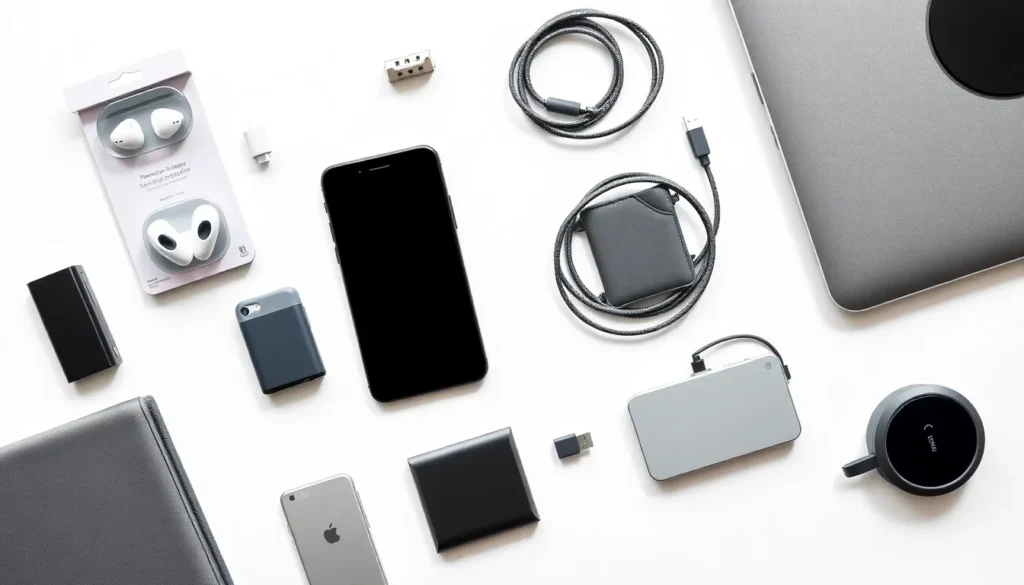
Tech accessories are products designed to work alongside a primary device. They don’t operate independently. Instead, they add functionality, protection, or convenience to something consumers already own.
Common examples include:
- Phone cases and screen protectors – These shield smartphones from drops and scratches
- Laptop stands and cooling pads – These improve ergonomics and prevent overheating
- Charging cables and adapters – These provide power and connectivity options
- Keyboard and mouse peripherals – These enhance computer input experiences
- Earbuds and headphone amplifiers – These improve audio from phones or music players
The key characteristic? Tech accessories require another device to serve their purpose. A phone case sitting alone on a shelf does nothing. It needs a smartphone to fulfill its function.
Accessories often cost less than gadgets because they serve a supporting role. They’re also easier to replace and upgrade. Someone might swap phone cases every few months for style reasons, but they won’t replace their smartphone that frequently.
The tech accessories market continues to grow as device ownership increases. More smartphones, tablets, and laptops mean more demand for cases, chargers, and peripherals that make those devices more useful or personal.
What Are Tech Gadgets?
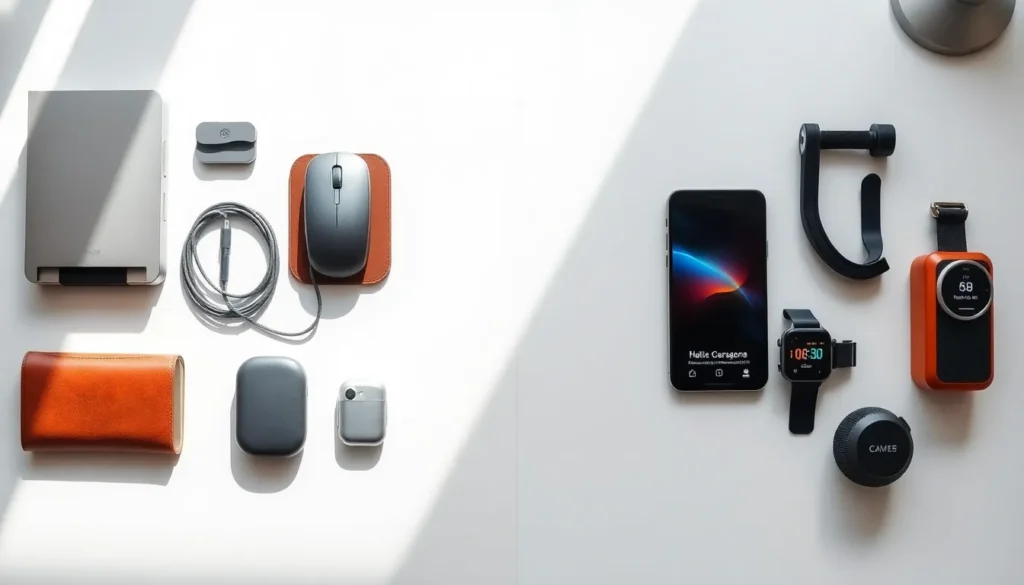
Tech gadgets are standalone electronic devices that perform specific functions independently. They don’t need another product to work, though they often connect with other devices to expand their capabilities.
Popular tech gadgets include:
- Smartphones and tablets – These serve as communication and computing hubs
- Smartwatches and fitness trackers – These monitor health metrics and deliver notifications
- Portable Bluetooth speakers – These play music without requiring a wired connection
- Drones – These capture aerial footage and photography
- E-readers – These display digital books and documents
- Action cameras – These record video during sports and adventures
Gadgets contain their own processors, power sources, and user interfaces. A Bluetooth speaker works by itself, press play, and it produces sound. A drone flies and captures footage without needing attachment to another device.
Tech gadgets typically carry higher price tags than accessories. They require more engineering, components, and software development. Consumers expect gadgets to last longer and provide significant value for their investment.
The line between gadgets and accessories can blur. Smartwatches, for instance, function independently but deliver their best experience when paired with a smartphone. Still, they qualify as gadgets because they operate on their own power and processing.
Main Differences Between Accessories and Gadgets
Understanding tech accessories vs. gadgets comes down to several core distinctions:
Functionality
Accessories enhance or protect. Gadgets perform. A laptop sleeve guards against scratches, it enhances. A laptop runs software and connects to the internet, it performs.
Independence
Gadgets work alone. Accessories need a host device. Wireless earbuds (gadgets) play audio from their own storage. A phone mount (accessory) holds a smartphone in place.
Price Point
Accessories generally cost $5 to $100. Gadgets range from $50 to several thousand dollars. This reflects the complexity difference, accessories contain fewer components and simpler engineering.
Replacement Frequency
Consumers replace accessories more often than gadgets. Phone cases might change with seasons or trends. Smartphones stick around for two to four years on average.
Purchase Motivation
People buy gadgets for new capabilities. They buy accessories to improve experiences with gadgets they already own. Someone purchases a tablet to browse, read, and stream. They buy a tablet stand to make that browsing more comfortable.
| Factor | Tech Accessories | Tech Gadgets |
|---|---|---|
| Works alone | No | Yes |
| Average cost | Lower | Higher |
| Lifespan | Shorter | Longer |
| Core purpose | Enhance/protect | Perform functions |
This comparison helps clarify product categories when shopping. Retailers often mix accessories and gadgets together, but knowing the difference prevents confusion and poor purchasing choices.
How to Decide What You Actually Need
Choosing between tech accessories vs. gadgets starts with honest questions about current needs and existing gear.
Assess what you already own. List current devices. Identify pain points. Does the laptop overheat? A cooling pad accessory solves that. Does a lack of portable music options limit outdoor enjoyment? A Bluetooth speaker gadget addresses that gap.
Consider budget reality. Accessories offer affordable upgrades. A $30 keyboard can transform a tablet into a productivity tool. Gadgets require larger investments but deliver new capabilities entirely.
Think about use frequency. Daily-use items justify higher spending. Someone who listens to podcasts during every commute gets more value from quality wireless earbuds than someone who listens occasionally.
Evaluate the ecosystem. Some gadgets work better within specific brand ecosystems. Apple accessories pair seamlessly with iPhones. Android users have more flexibility but should still verify compatibility.
Avoid redundancy. Before buying a new gadget, check if an accessory could solve the same problem. A portable battery pack (accessory) might eliminate the need for a second phone (gadget).
Smart shoppers start with accessories when possible. They cost less, ship faster, and often solve problems without adding new devices to manage. Gadgets make sense when genuinely new functionality is required, not just incremental improvement.