
Tech accessories have become essential items for anyone who uses smartphones, laptops, tablets, or other electronic devices. These add-ons extend functionality, improve protection, and enhance the overall user experience. From phone cases to wireless chargers, tech accessories serve practical purposes that most people rely on daily.
This guide explains what tech accessories are, covers the most common types, and helps readers understand how to choose the right products for their needs. Whether someone owns a single smartphone or manages multiple devices, understanding tech accessories can save money and improve device performance.
Table of Contents
ToggleKey Takeaways
- Tech accessories are supplementary products designed to work alongside electronic devices like smartphones, laptops, and tablets to extend functionality and improve user experience.
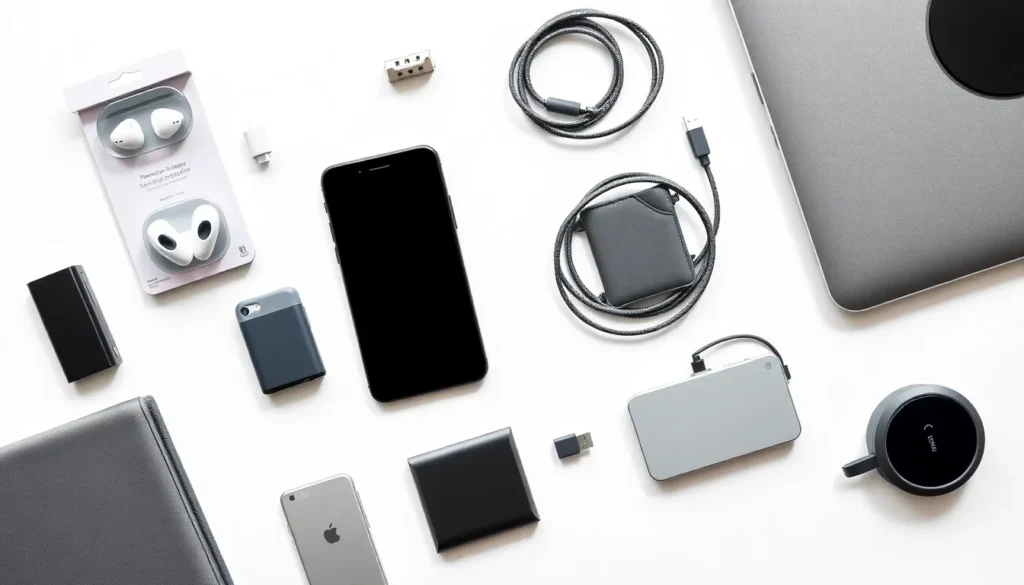
- The most common tech accessories include phone cases, screen protectors, chargers, wireless earbuds, laptop stands, and USB hubs.
- Tech accessories serve three primary functions: protection (preventing costly repairs), enhancement (improving device capabilities), and convenience (reducing daily friction).
- Always verify compatibility with your existing devices before purchasing any tech accessories to avoid wasted money.
- Prioritize quality over price—cheap tech accessories often fail quickly, costing more in the long run than durable alternatives.
- Start with protective essentials like cases and screen protectors first, then add power accessories and enhancement products as needed.
Defining Tech Accessories
Tech accessories are supplementary products designed to work alongside electronic devices. They do not function independently but instead complement primary gadgets like phones, computers, tablets, and gaming consoles. A laptop works fine on its own, but a laptop stand, external mouse, or protective sleeve makes it more comfortable and safer to use.
The term “tech accessories” covers a broad category of products. Some tech accessories provide protection, such as screen protectors and device cases. Others add new capabilities, like Bluetooth speakers or portable chargers. A third category focuses on convenience, think cable organizers, docking stations, or wireless earbuds.
What separates tech accessories from standalone devices? The key distinction is dependency. A smartphone is a standalone device. A phone charger, but, exists solely to support that smartphone. Tech accessories require a host device to serve their purpose.
The market for tech accessories has grown significantly in recent years. As people own more devices, they need more accessories to maintain, protect, and enhance them. Industry reports estimate the global tech accessories market will continue expanding as device ownership increases worldwide.
Common Types of Tech Accessories
Tech accessories span dozens of product categories. Two of the largest segments focus on mobile devices and computers. Here’s a breakdown of what each includes.
Mobile Device Accessories
Mobile device accessories represent the largest segment of the tech accessories market. Nearly everyone owns a smartphone, and most smartphone owners purchase at least one accessory.
Phone cases remain the most popular tech accessories worldwide. They protect devices from drops, scratches, and everyday wear. Cases range from slim silicone options to heavy-duty protective models with built-in screen guards.
Screen protectors add another layer of defense. Tempered glass protectors can absorb impact that would otherwise crack an expensive display. Many users consider screen protectors essential tech accessories for new phones.
Chargers and power banks keep devices running. Wireless chargers eliminate cable clutter, while portable power banks provide backup power during travel or long days away from outlets. Fast-charging adapters have become popular tech accessories as battery sizes increase.
Audio accessories include wireless earbuds, Bluetooth headphones, and portable speakers. These tech accessories have surged in popularity since manufacturers began removing headphone jacks from smartphones.
Mounts and holders secure phones in cars, on desks, or during workouts. Magnetic mounts, tripods for content creators, and dashboard holders all qualify as tech accessories in this category.
Computer and Laptop Accessories
Computer and laptop accessories help users work more efficiently and protect their investments.
External keyboards and mice improve ergonomics and productivity. Many laptop users prefer full-sized keyboards and precision mice over built-in trackpads. Wireless versions of these tech accessories reduce desk clutter.
Laptop stands and cooling pads address comfort and heat management. Elevating a laptop to eye level reduces neck strain. Cooling pads with built-in fans prevent overheating during intensive tasks.
USB hubs and docking stations expand connectivity options. Modern laptops often have limited ports, making these tech accessories necessary for users who connect multiple monitors, drives, or peripherals.
Laptop bags and sleeves protect computers during transport. Padded sleeves guard against bumps, while messenger bags and backpacks offer organized storage for tech accessories and the devices themselves.
Webcams and microphones became essential tech accessories during the remote work boom. Built-in laptop cameras often produce poor image quality, prompting many professionals to upgrade.
Why Tech Accessories Matter
Tech accessories serve three primary functions: protection, enhancement, and convenience. Understanding these benefits helps consumers make smarter purchasing decisions.
Protection saves money. A quality phone case costs $20 to $50. A cracked screen repair can exceed $300. Tech accessories like cases, screen protectors, and laptop sleeves act as insurance policies for expensive devices. The upfront cost is small compared to potential repair bills.
Enhancement improves experience. A smartphone does many things well, but tech accessories can make it do them better. Wireless earbuds provide superior audio for calls and music. A portable charger ensures the phone never dies at inconvenient moments. These tech accessories transform good devices into great ones.
Convenience reduces friction. Tech accessories like cable organizers, phone mounts, and laptop stands remove small annoyances from daily routines. A car mount keeps navigation visible while driving. A USB hub eliminates the need to constantly swap cables. These improvements seem minor individually but add up over time.
Tech accessories also extend device lifespan. Proper protection and power management can add years to a smartphone or laptop’s useful life. This matters as device prices continue rising, flagship phones now cost over $1,000 in many cases.
How to Choose the Right Tech Accessories
Selecting tech accessories requires matching products to specific needs, devices, and budgets. Here are practical guidelines for making smart choices.
Check compatibility first. Tech accessories must work with existing devices. A USB-C charger won’t help someone with a Lightning port iPhone. Laptop bags need to fit specific screen sizes. Always verify compatibility before purchasing any tech accessories.
Prioritize quality over price. Cheap tech accessories often fail quickly or underperform. A $5 charging cable that frays after two months costs more long-term than a $15 cable that lasts three years. Established brands typically offer better durability and warranty support.
Read reviews from actual users. Product descriptions tell one story. Customer reviews reveal another. Look for patterns in feedback, if multiple reviewers mention the same problem, that issue likely exists. Reviews help identify which tech accessories deliver on their promises.
Consider future needs. Tech accessories should work with current devices and potential upgrades. A wireless charger compatible with multiple phone brands remains useful even after switching manufacturers. Forward-thinking purchases prevent waste.
Start with essentials. New device owners should prioritize protective tech accessories first. A case and screen protector prevent expensive damage. Power accessories come next. Enhancement products like audio gear or ergonomic peripherals can wait until basics are covered.
Buy from reputable sellers. Counterfeit tech accessories flood online marketplaces. These knockoffs may damage devices or pose safety risks. Purchasing from authorized retailers or directly from manufacturers reduces these concerns.