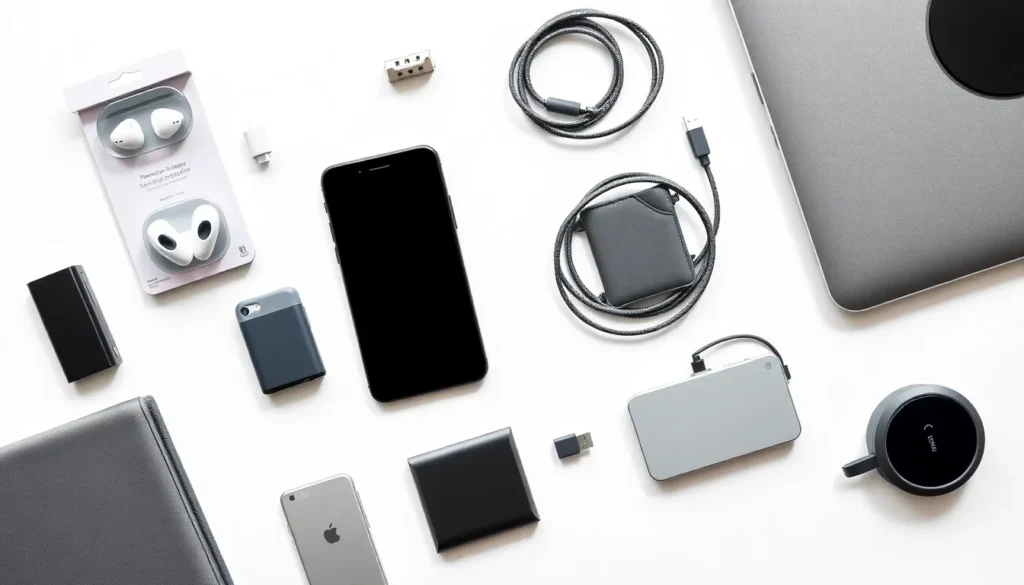
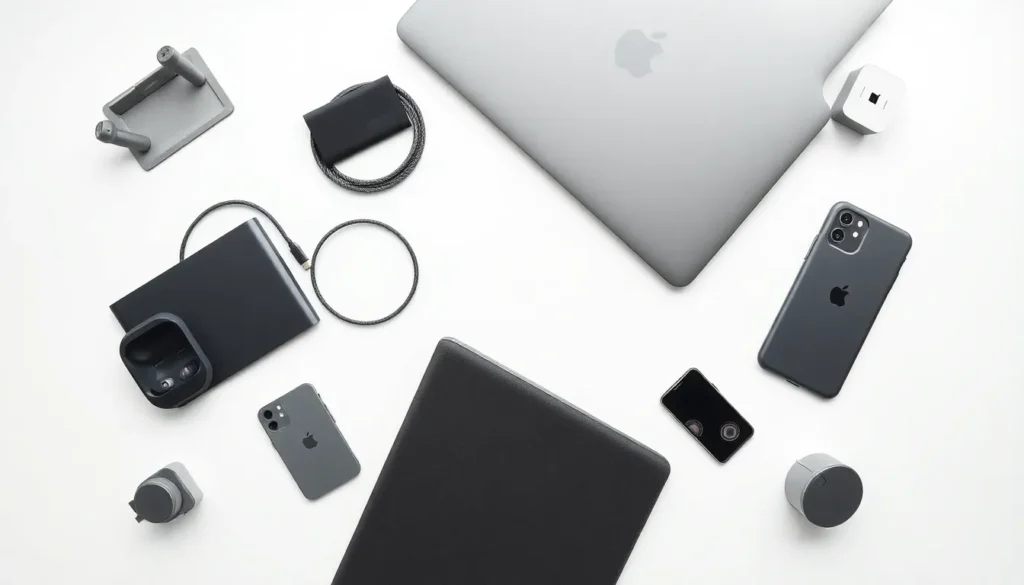

Choosing the right tech accessories can make or break a device experience. A quality charger keeps a phone running all day. A reliable case protects an expensive laptop from damage. The wrong accessory, but, wastes money and creates frustration.
This guide explains how to tech accessories the smart way. Buyers will learn to evaluate compatibility, prioritize durability, balance function with style, and shop within budget. These practical tips help anyone find tech accessories that actually work.
Table of Contents
ToggleKey Takeaways
- Always verify device compatibility—including port type, power output, and physical dimensions—before purchasing any tech accessories.
- Prioritize quality and durability over price, as cheap accessories often fail quickly and cost more in replacements.
- Focus on functionality first; attractive tech accessories that don’t perform well will only cause daily frustration.
- Set a realistic budget and use cost-per-use thinking to justify spending more on frequently used items like chargers and keyboards.
- Shop from reputable sources and verify seller authenticity to avoid counterfeit tech accessories that lack safety features.
- Take advantage of sales, bundles, and certified refurbished options to get quality tech accessories at lower prices.
Assess Your Device Compatibility Needs
Compatibility matters most when shopping for tech accessories. A charger built for one phone model may damage another. A laptop sleeve designed for 13-inch screens won’t fit a 15-inch device.
Start by checking the device specifications. Manufacturers list compatible accessories on their websites. They also note port types, power requirements, and size dimensions. This information prevents costly mistakes.
Consider these compatibility factors:
- Port type: USB-C, Lightning, micro-USB, and Thunderbolt ports require specific connectors. A USB-C cable won’t work with a Lightning port.
- Power output: Chargers and power banks must match device power needs. A 20W charger won’t fast-charge a phone that requires 45W.
- Operating system: Some tech accessories work only with iOS or Android. Wireless earbuds may lack full features on incompatible systems.
- Physical dimensions: Cases, sleeves, and mounts must fit exact device sizes.
Third-party tech accessories often cost less than brand-name options. They can work well if buyers verify compatibility first. Reading product descriptions carefully saves time and money. Customer reviews also reveal real-world compatibility issues that manufacturers don’t mention.
Prioritize Quality and Durability
Cheap tech accessories often fail quickly. A $5 charging cable may fray within weeks. A flimsy phone case cracks on the first drop. Buyers end up spending more on replacements than they would on quality items.
Quality indicators include:
- Material construction: Braided cables outlast rubber-coated ones. Aluminum laptop stands resist wear better than plastic.
- Brand reputation: Established brands invest in product testing. They offer warranties and customer support.
- Certifications: Look for MFi certification on Apple accessories, USB-IF certification on cables, and safety certifications on chargers.
- User reviews: Real customers report how tech accessories hold up over months of use.
Durability proves especially important for frequently used items. Chargers, cables, and cases endure daily stress. A keyboard used eight hours a day needs solid construction.
Warranties signal manufacturer confidence. Many quality tech accessories include one-year or longer coverage. This protection adds value beyond the purchase price. Buyers should keep receipts and register products to claim warranty benefits if problems arise.
Consider Functionality Over Aesthetics
Attractive tech accessories catch the eye. But a beautiful wireless charger that heats up and slows charging frustrates users daily. Function should drive purchase decisions.
Ask practical questions before buying:
- Does this accessory solve a specific problem?
- Will it improve device performance or protection?
- Does it offer features that justify the cost?
Some tech accessories combine style and substance. A sleek laptop stand can look good on a desk while improving ergonomics. A colorful phone case can express personality while providing drop protection. The key is ensuring aesthetics don’t compromise function.
Feature bloat wastes money. A keyboard with programmable LED lights costs more but adds nothing for casual users. A basic model with reliable keys serves most people better. Buyers should list their actual needs, then find tech accessories that meet those needs without unnecessary extras.
Portability matters for mobile users. A compact power bank fits in a pocket. A folding laptop stand travels easily. These practical considerations often outweigh visual appeal.
Set a Realistic Budget
Tech accessories range from a few dollars to several hundred. Setting a budget before shopping prevents impulse purchases and buyer’s remorse.
Premium tech accessories usually offer:
- Better materials and construction
- Longer warranties
- Enhanced features
- Superior customer support
Budget options can work for low-stakes purchases. A basic stylus for occasional tablet use doesn’t need premium construction. But, safety-critical accessories like chargers deserve higher investment. Cheap chargers can overheat or damage device batteries.
Smart budget strategies include:
- Compare prices across retailers: The same tech accessories often sell at different prices on various platforms.
- Wait for sales: Black Friday, Prime Day, and holiday sales offer significant discounts.
- Consider bundles: Accessory kits sometimes cost less than buying items separately.
- Check refurbished options: Certified refurbished tech accessories from reputable sellers offer savings with quality assurance.
Cost-per-use thinking helps justify spending. A $100 keyboard used daily for three years costs about nine cents per day. That investment makes sense for quality. A $100 travel adapter used twice yearly should probably cost less.
Where to Shop for Tech Accessories
Buyers have many options for purchasing tech accessories. Each shopping channel offers distinct advantages.
Official brand stores guarantee authentic products. Apple, Samsung, and other manufacturers sell compatible tech accessories with full warranty support. Prices tend to be higher, but quality assurance comes standard.
Major online retailers like Amazon and Best Buy offer vast selection and competitive pricing. Customer reviews help buyers evaluate products before purchase. Return policies provide protection if accessories don’t meet expectations.
Specialty electronics stores employ knowledgeable staff. They can answer questions about tech accessories and recommend compatible options. In-person shopping allows buyers to examine products before purchasing.
Discount retailers sell budget tech accessories at lower prices. Quality varies widely. Buyers should research brands and read reviews before purchasing from discount sources.
Wherever buyers shop, they should verify seller authenticity. Counterfeit tech accessories flood online marketplaces. These fakes may look identical to genuine products but lack safety features and durability. Checking seller ratings, reading reviews, and buying from authorized retailers reduces counterfeit risk.