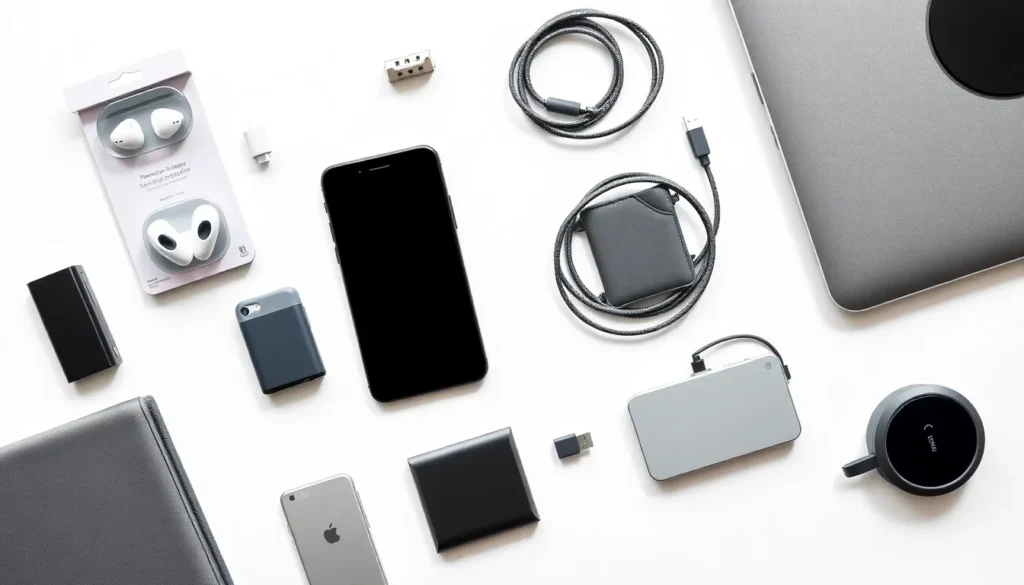

Tech accessories strategies can make or break a setup. The right charger, cable, or stand transforms daily productivity. The wrong ones create clutter and frustration.
Most people buy tech accessories reactively. A cable breaks, so they grab the cheapest replacement. A new device arrives, and random adapters pile up. This approach wastes money and creates chaos.
Smart buyers think differently. They assess their needs, prioritize quality, and organize their gear intentionally. This guide covers practical tech accessories strategies that help users choose wisely, spend efficiently, and keep everything in order.
Table of Contents
ToggleKey Takeaways
- Start your tech accessories strategy by inventorying all devices and identifying daily-use items that deserve premium-quality gear.
- Prioritize quality over quantity—a few excellent cables and chargers outperform a drawer full of cheap, unreliable ones.
- Time your purchases around sales events like Prime Day and Black Friday to save 20-40% on accessories.
- Organize accessories with designated storage spots, cable management systems, and labeled containers to prevent loss and tangling.
- Conduct regular audits every six months to remove unused or broken items and keep your tech accessories collection lean and functional.
Assessing Your Tech Ecosystem Needs
Every tech accessories strategy starts with an honest inventory. Users should list every device they own, laptops, phones, tablets, smartwatches, earbuds, and gaming systems. Each device has specific accessory requirements.
A remote worker running a MacBook Pro needs different gear than a gamer with multiple consoles. The MacBook user might prioritize USB-C hubs, external monitors, and ergonomic stands. The gamer needs controller chargers, headset stands, and cable management solutions.
Three questions clarify accessory needs:
- What devices do I use daily? Daily drivers deserve premium accessories.
- What pain points exist? Slow charging, tangled cables, and uncomfortable setups signal gaps.
- What purchases are coming? Planning ahead prevents compatibility headaches.
Users often discover redundancies during this assessment. They might own four micro-USB cables when all current devices use USB-C. Or they find three portable chargers when one high-capacity option would suffice.
Tech accessories strategies work best when tied to actual usage patterns. A person who works from coffee shops needs portable solutions. Someone with a permanent home office can invest in stationary equipment. Matching accessories to lifestyle prevents wasted purchases.
Compatibility matters more than most buyers realize. Apple users benefit from MFi-certified cables. Android users should verify fast-charging protocols match their phones. Universal accessories sound appealing but often deliver mediocre performance across all devices rather than excellent performance with any single one.
Prioritizing Quality Over Quantity
Cheap tech accessories cost more over time. That $5 charging cable frays within months. The bargain power strip lacks surge protection and risks expensive equipment. Budget earbuds die after a year.
Quality accessories last longer and perform better. A well-made USB-C cable handles data transfer and fast charging simultaneously. A premium laptop stand offers better ergonomics and sturdier construction. Good wireless chargers generate less heat and protect battery health.
Smart tech accessories strategies focus spending on high-use items. Users should invest in:
- Primary charging solutions: The cable and charger used daily deserve premium quality.
- Protective cases: A good case costs $40-60 but prevents $200+ screen repairs.
- Audio equipment: Headphones and earbuds touch the body for hours, comfort and sound quality matter.
Less critical accessories can come from mid-range options. A backup cable in the car doesn’t need top-tier construction. A travel adapter used twice yearly works fine at lower price points.
Brand reputation provides useful guidance but shouldn’t dictate every purchase. Anker, Belkin, and Nomad consistently deliver reliable accessories. But lesser-known brands sometimes offer identical quality at lower prices. User reviews reveal real-world performance better than marketing claims.
Warranties indicate manufacturer confidence. Companies offering two-year or lifetime warranties stand behind their products. Those limiting coverage to 90 days expect failures.
The quality-over-quantity principle extends to accumulation habits. Ten mediocre cables create more problems than three excellent ones. Drawer stuffed with random adapters signals poor tech accessories strategies. Curated collections serve users better.
Budget-Smart Buying Strategies
Smart tech accessories strategies balance quality with reasonable spending. Nobody needs to pay full retail for every item.
Timing purchases around sales events saves significant money. Prime Day, Black Friday, and back-to-school seasons bring 20-40% discounts on accessories. Patient buyers wait for these windows when possible.
Refurbished accessories offer another path to savings. Apple’s certified refurbished program sells items with full warranties at reduced prices. Third-party refurbishers like Back Market grade products clearly and provide return windows.
Bundle deals sometimes deliver value. Multi-packs of cables often cost less per unit than individual purchases. But, buyers should only bundle items they’ll actually use. Three cables at a discount beats one cable at full price, but only if all three serve a purpose.
Subscription and loyalty programs add up. Amazon offers discounts for repeat purchases on cables and batteries. Best Buy’s membership programs include exclusive accessory pricing.
Some categories warrant higher spending:
| Accessory Type | Recommended Spend Level |
|---|---|
| Daily charger | Premium |
| Phone case | Mid to premium |
| Backup cables | Budget to mid |
| Travel adapters | Mid-range |
| Desk organization | Budget to mid |
Used accessories work for certain categories. Laptop stands, cable organizers, and docking stations from Facebook Marketplace or eBay perform identically to new versions. Avoid used items with batteries or moving parts, their lifespan is unpredictable.
Price tracking tools like CamelCamelCamel and Honey reveal historical pricing on Amazon and other retailers. These tools prevent purchases right before major price drops and identify genuinely good deals versus fake markdowns.
Organizing and Maintaining Your Accessories
Accumulating quality accessories means nothing without organization. Lost cables, tangled cords, and forgotten adapters waste time and money.
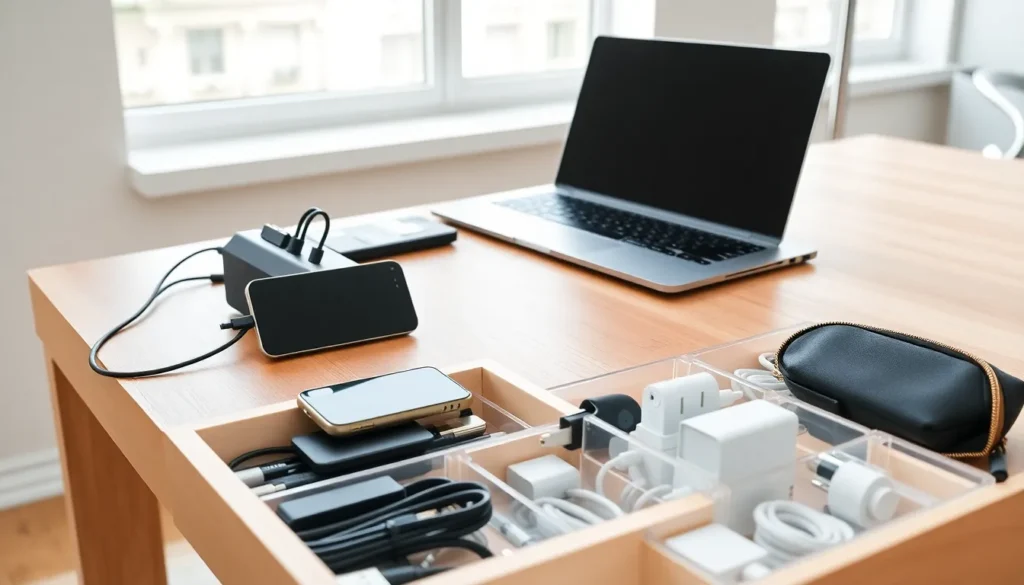
Effective tech accessories strategies include storage systems. Cable organizers, from simple velcro straps to dedicated pouches, prevent tangling. Drawer dividers separate chargers by type. Labeled containers identify contents at a glance.
Designated homes for each accessory prevent loss. The laptop charger lives in the bag’s front pocket. The phone charger stays on the nightstand. Travel accessories go in a specific pouch that moves between bags.
Cable management improves both aesthetics and function. Cable clips attach cords to desk edges within easy reach. Cable sleeves bundle multiple wires into clean runs. Wireless charging pads eliminate some cord clutter entirely.
Maintenance extends accessory lifespan:
- Clean charging ports quarterly using compressed air or soft brushes.
- Inspect cables monthly for fraying or bent connectors.
- Update firmware on smart accessories when manufacturers release improvements.
- Store batteries at 50% charge when not in use for extended periods.
Regular audits keep collections lean. Every six months, users should review their accessories. Items unused for a year can be donated, sold, or recycled. Duplicates get consolidated. Broken items get replaced or removed.
Labeling prevents confusion in households or offices with multiple users. Simple tape labels or color-coded cable ties distinguish personal chargers from shared ones.
Travel organization deserves special attention. A dedicated tech pouch containing cables, adapters, and portable chargers streamlines packing. Keeping this pouch stocked and ready eliminates last-minute scrambling before trips.